“Empowering Lives: Human-Centered Innovation in Health, Wellness, Aging, and Abilities”
+662-889-2138 Ext. 6446
secretariat.icreate@nstda.or.th
Menu
Choosing the optimum wheelchair. Why can you benefit from light wheelchair?
Abstract
Selecting an optimum and suitable wheelchair is not always simple. Everybody has their specific and particular needs. Therefore, choosing one wheelchair over another will depend on three very personal factors: adequacy for the user, for the use, and for the environment. Clinical practice guidelines suggest a fully configurable, ultra-lightweight wheelchair is recommended for an individual who uses a manual wheelchair for independent mobility. The ability to fully tailor a wheelchair for an individual will have an effect on positioning/postural support, ease of propulsion, and wheelchair stability and maneuverability. There are different choices possible in lightweight wheelchair frames and it is important to understand the similarities and differences in the wheelchair frames so that the initial choice of wheelchair frame type is optimal. Rigid and folding frame active wheelchairs are lighter than standard wheelchairs and use components made of lightweight aluminum, carbon fiber and titanium. They have minimal rolling resistance, making them easier to propel. The optimal lightweight wheelchair has the lowest expenditure, high durability, easily carried or transported and can help prevent injuries derived from repetitive loading, misplacement of the pelvis and spine. This workshop will cover configuration and frame differences that affect clinical application of wheelchair selection, specifically focusing on light wheelchairs based on recent clinical
Presenter
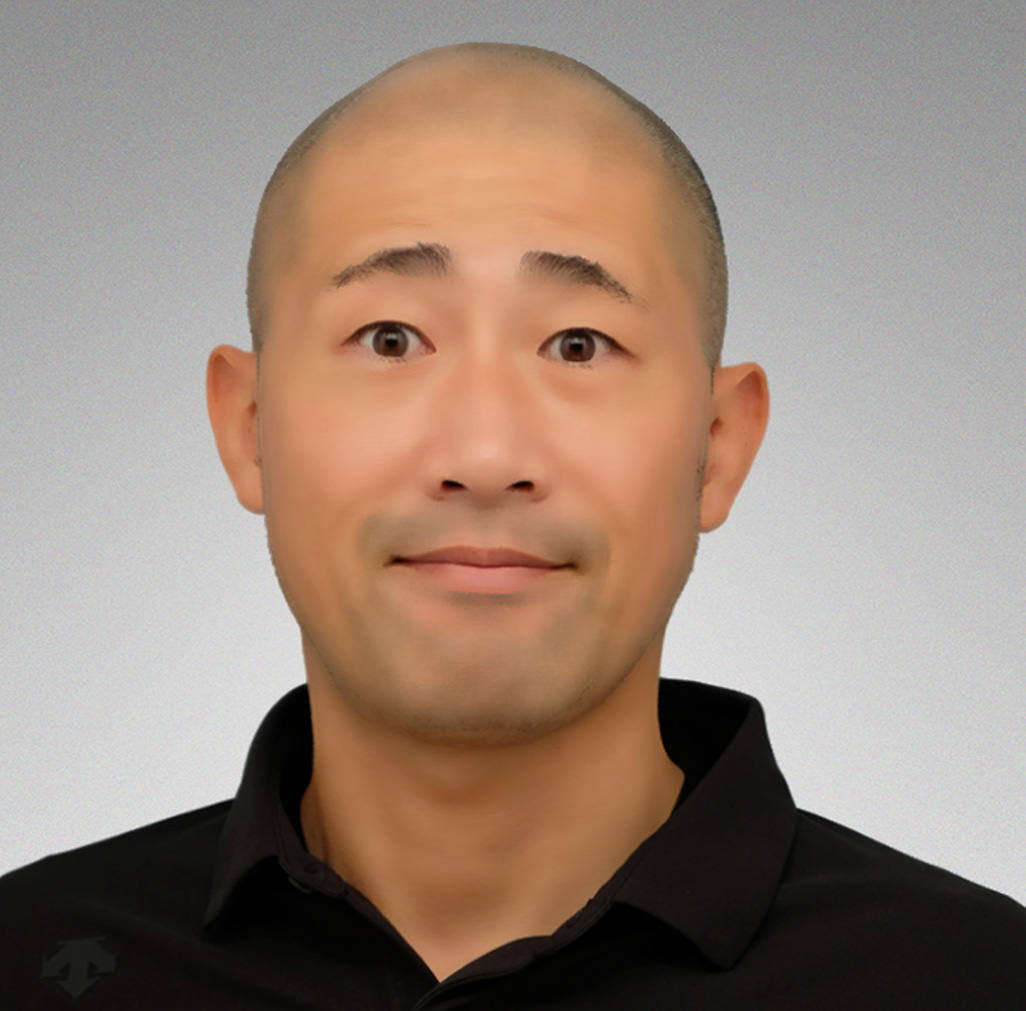
Hiroto Hayashi
BS, BEC, RPT, MPH
Clinical Educator/Specialist
Sunrise Medical (Asia-Pacific region)
Hiroto is a physiotherapist who is taking on a clinical educator/specialist role specifying in Mobility devices within the Asia-Pacific region for Sunrise Medical. He has over 14 years of clinical experience working especially with neuromuscular disease and pediatric populations. He has a passionate drive to better people’s lives and his focus is utilizing assistive devices and modalities to improve mobility and function for his patients. He has a balanced track record of integrating research and evidence to clinical practice and is both a research committee member within the International Organization of Physiotherapists in Pediatrics, Japanese Society of Physical Therapy for Pediatrics, and is also a Japanese Duchenne muscular dystrophy physical therapy guideline member. He conducts over 15 yearly webinars, seminars and lectures concerning mobility devices and is an adjunct lecturer for Kitasato University and Hokkaido High technology college. His previous conference presentation experiences include a Seminar and research presentation at the International Society of Physical and Rehabilitation Medicine, 3 presentations at World Physical therapy congress, 1 presentation at Neurorehabilitation congress as well as holding seminars at the International Home and Rehabilitation Exhibition, Welfare trade expo, Barrier Free / Post-Acute Medicine Fair / Nursing Next / Home Medical Care expo concerning mobility devices such as wheelchair seating and powered wheelchairs.